Trauma Therapy in Atlanta, GA
Are Past Experiences Making It Difficult To Feel
At Peace With Yourself?

Do you find yourself always worrying about what might go wrong, even when everything seems to be going well?
Are you so accustomed to putting other people's needs ahead of your own that you've forgotten what it feels like to prioritize yourself?
Perhaps you are your own harshest critic, holding yourself to impossible standards and feeling guilty whenever you fall short.
Living with unresolved trauma can feel like fighting an invisible battle. You might recognize certain behaviors, such as overthinking conversations, avoiding conflict, or struggling to trust others, but feel powerless to change them. Even when you understand why you react a certain way, breaking those patterns can seem impossible.
Your Mind And Body Won't Let You Relax
Perhaps your mornings begin with a mental checklist of everything that needs your attention. By evening, you're physically exhausted, yet your mind refuses to switch off. You replay conversations, second-guess decisions, and worry about disappointing others. And when someone asks you to do one more thing, saying "no" feels harder than simply sacrificing your own needs.
Over time, this constant state of alertness can leave you feeling irritable, emotionally overwhelmed, or disconnected from the people you love. You may withdraw when relationships become difficult, shut down during disagreements, or feel responsible for keeping everyone around you happy. Even moments of intimacy or relaxation can feel uncomfortable when you've spent so long protecting yourself.
You don't have to remain trapped in these patterns. Trauma therapy can help you understand how past experiences influence your present life, develop healthier boundaries, and discover new ways to feel safe, connected, and confident in your relationships.
Send Me a Message
The Effects Of Trauma Aren't Always Easy To Recognize
Trauma doesn't always stem from a single, life-altering event. Sometimes, it develops through years of difficult family relationships, emotional neglect, criticism, or experiences that leave us questioning our worth. When these circumstances become familiar, we may not even recognize their lasting influence on our emotional well-being.
Perhaps you grew up hearing phrases like "that's just how our family is" or were taught to keep your feelings to yourself. Over time, you may have learned to dismiss your emotional needs, avoid confrontation, or believe that asking for help or seeking trauma counseling was a sign of weakness. What once helped you navigate difficult circumstances can eventually become an obstacle to feeling secure and connected as an adult.
Sometimes Being Strong Means Ignoring Your Own Needs
Our culture often celebrates independence, ambition, and the ability to persevere through adversity. From academic achievement to professional success, we're encouraged to push harder, accomplish more, and measure our value by what we achieve. Unfortunately, this emphasis on productivity can make it difficult to acknowledge emotional struggles, much less seek the support of a trauma or Post-Traumatic Stress Disorder (PTSD) counselor for them.
Consequently, many people attempt to manage trauma-related symptoms by staying busy, striving for perfection, or analyzing every uncomfortable feeling. Yet understanding why you struggle doesn't necessarily change how your nervous system responds to perceived threats. Even when life feels relatively safe, your body may continue reacting as though danger is just around the corner.
Fortunately, you don't have to figure everything out on your own. Trauma recovery therapy provides a supportive environment to explore how past experiences have shaped your beliefs, behaviors, and relationships. With compassionate guidance and practical strategies, you can begin replacing old survival patterns with healthier responses and rediscover a sense of safety, confidence, and emotional balance.
Trauma Therapy Can Provide Context, Resolution, And Relief

At Survival Mode Therapy, I can help you understand and overcome the lasting effects of trauma so you can feel more confident, connected, and in control of your life. Together, we can explore what's driving your responses to life’s stressors and develop healthier ways to navigate challenges.
My practice also specializes in PTSD counseling, Complex PTSD (CPTSD), and the lasting effects of childhood and relational trauma. Your symptoms may involve attachment wounds, which are emotional and relational breakdowns that happen if you’ve experienced emotional neglect, abuse, dysfunctional family dynamics, chronic criticism, or emotionally immature parenting. These experiences can influence how you see yourself and connect with others.
Understanding Your Trauma And Learning New Ways To Respond
Perhaps you're struggling with family estrangement, establishing boundaries, or deciding whether to limit contact with certain people. You may be grieving relationships that never became what you hoped they would be or feeling guilty about prioritizing your emotional well-being. Trauma can also contribute to complex coping patterns, including hoarding behaviors, difficulty letting go, or withdrawing from relationships.
As your trauma and/or PTSD therapist, I’ll help you explore how your experiences have shaped your beliefs, behaviors, and relationships. Rather than simply discussing concepts, I incorporate interactive exercises and practical strategies you can apply outside our sessions. Together, we'll develop coping skills, recognize early signs of emotional activation, and practice grounding techniques that help you feel more present and secure.
An Integrative Approach To Healing Mind And Body
Because trauma and PTSD can affect both emotional and physical well-being, I draw from several therapeutic approaches to create an individualized treatment experience.
Sensorimotor Psychotherapy helps you recognize how trauma manifests through bodily sensations, movement, and protective responses.
Eye Movement Desensitization and Reprocessing (EMDR) helps process distressing memories and lessen their emotional impact.
5-Narrative Therapy offers opportunities to explore and reshape the meaning you've attached to past experiences.
I also incorporate trauma education, mindfulness, nervous-system regulation, emotional awareness, and self-compassion.
Together, these approaches can help you manage intense emotions, establish healthier boundaries, and respond thoughtfully rather than reacting automatically to stress. Ultimately, trauma therapy is about more than reducing symptoms. It's about strengthening your connection with yourself, building confidence in your choices, and fostering healthier relationships.
As you learn to recognize old survival patterns, you can begin responding to the present instead of reliving the past. And as shame gives way to understanding, the question may gradually shift from "What's wrong with me?" to "What happened to me, and how can I move forward?"
With time and support, you can discover new possibilities for healing, connection, and lasting emotional well-being.
You Might Still Have Questions Or Concerns About Trauma Therapy…
I’ve seen a trauma counselor before, and nothing changed. How will this be different?
My approach goes beyond simply talking about your problems or analyzing the past. We’ll explore how survival patterns show up in your life today, including your emotions, body, relationships, boundaries, and sense of self. The goal isn’t just insight. Trauma healing involves helping you understand why you respond the way you do and develop greater physical awareness, flexibility, and choice in how you skillfully respond to stress in the present.
What if talking about my trauma makes things worse?
You don’t have to share every detail of your past for us to do meaningful trauma and PTSD work in therapy. We can focus on what you notice in your body, emotions, and relationships in the present.
This allows us to work with your experiences without requiring you to repeatedly revisit painful memories. We’ll follow your pace and build the awareness and capacity needed to approach deeper material safely, when appropriate.
I am concerned that it will take a long time for therapy to make a difference.
While deeper change takes time, especially with complex trauma, therapy doesn’t have to begin with years of unpacking your history. We can start by working with what is happening in your life now.
You may notice changes such as recognizing survival responses sooner, recovering from overwhelm more easily, feeling more present, or responding to relationships with greater choice. Your history provides context, but your life today remains the focus.
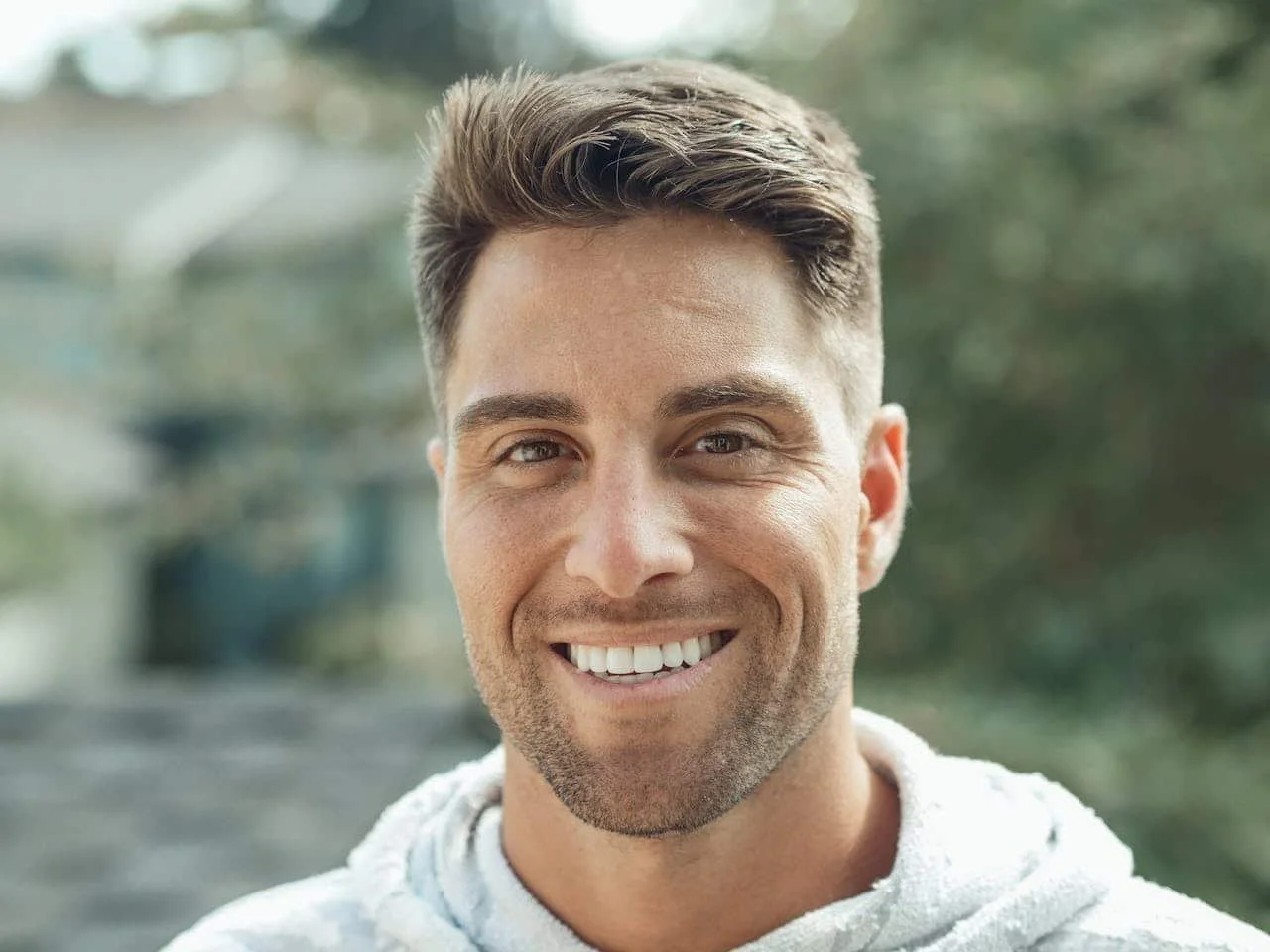
I Look Forward To Helping
You Heal
Reach out to my practice at (407) 279-9907 or through my Contact Page to learn more about my trauma therapy practice and how my evidence-based treatment methods can provide relief.
Recent Blog Posts