
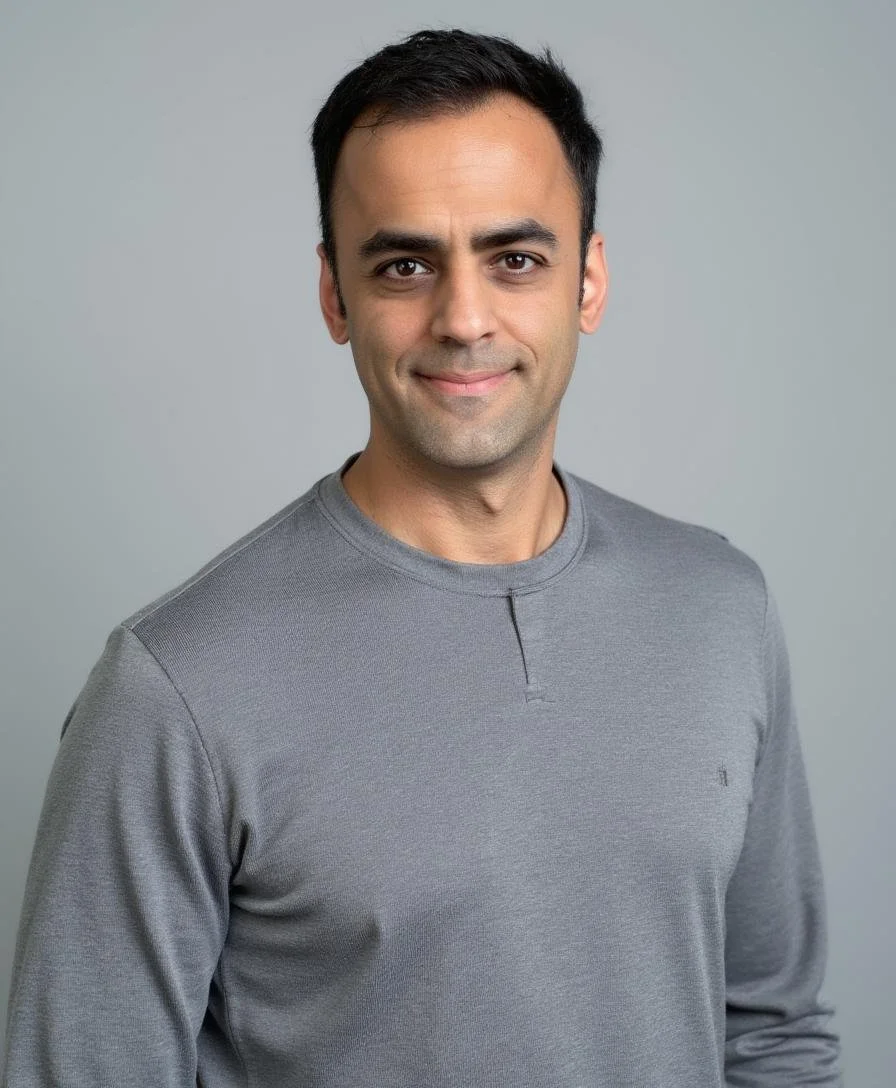
Robbie Singh
LCSW, CCTP, EMDR Trained
About Robbie Singh, LCSW
Founder of Survival Mode Therapy
Hi, I’m Robbie! This is the story behind my work.
I grew up learning how to read a room before I could read words — scanning tone, tension, and energy to keep the peace and minimize my needs. I always felt a bit different, too — caught between the quiet expectations at home and the pressures of the outside world. At home, I learned to be responsible and invisible. Outside, I felt the push to fit in, succeed, and adapt.
That constant tension created a lifelong theme: Where do I belong? And who am I allowed to be?
Like many of my clients, I became skilled at appearing “fine” even when I was anything but. I tried to think my way out of pain believing that if I could just understand what I was doing wrong, try harder, or gain more insight, I would finally feel okay.
“The hardest part about trauma is that your mind may want peace while your body still prepares for danger.”
From Surviving to Feeling
What I didn’t know then was that my body was asking for something my mind didn’t know how to give it: gentleness, regulation, and permission to feel.
I relied on denial, minimization, idealization, rationalization — the quiet, persistent hope that “things will get better or that I’ve survived much worse.” Those defense strategies helped me make sense of chaos when I didn’t have another choice. I felt like I was running in circles at full speed - exhausting myself in the process but deep down feeling helpless acknowledging “maybe this is just how it was meant to be”.
Eventually, trauma informed healing showed me that real hope isn’t pretending everything is okay. It’s learning how to be okay even when things aren’t.
My Work With Survivors
Today, I work with adult survivors of childhood abuse, neglect, emotional immaturity, and chronic relational wounding — people who are tired of living on constant alert and want to finally feel like themselves again.
After conducting thousands of sessions, I noticed a theme among clients: They often describe having patterns of:
Emotional Flashbacks: “Sudden waves of shame or fear that hit out of nowhere.”
Toxic Shame: “A quiet belief that you’re ‘not enough,’ even when you logically know you are.”
Self-Abandonment: “Putting everyone first and disappearing in the process.”
Inner Critic: “A voice inside that never stops pointing out your flaws.”
Social Anxiety: “Feeling like you’re being judged, even when people are kind.”
How I Help
My forward facing evidence-based approach is:
Gentle
We don’t force your system to go faster than it’s ready for. We honor where you are right now and gradually build up your capacity to do deeper work.
Structured
We will track your progress in the throughout your healing journey so that you know what you need to work on. We also will utilize feedback informed therapy to tailor the approach based on what works best for you.
Body-Focused
Together, we slow things down so your nervous system can finally rest.
From that place of safety, we help you reclaim:
choice
clarity
connection
internal peace
and a present you can trust
…without requiring you to rehash the past or relive traumatic memories. Schedule a free consultation to learn more about how I can help you.
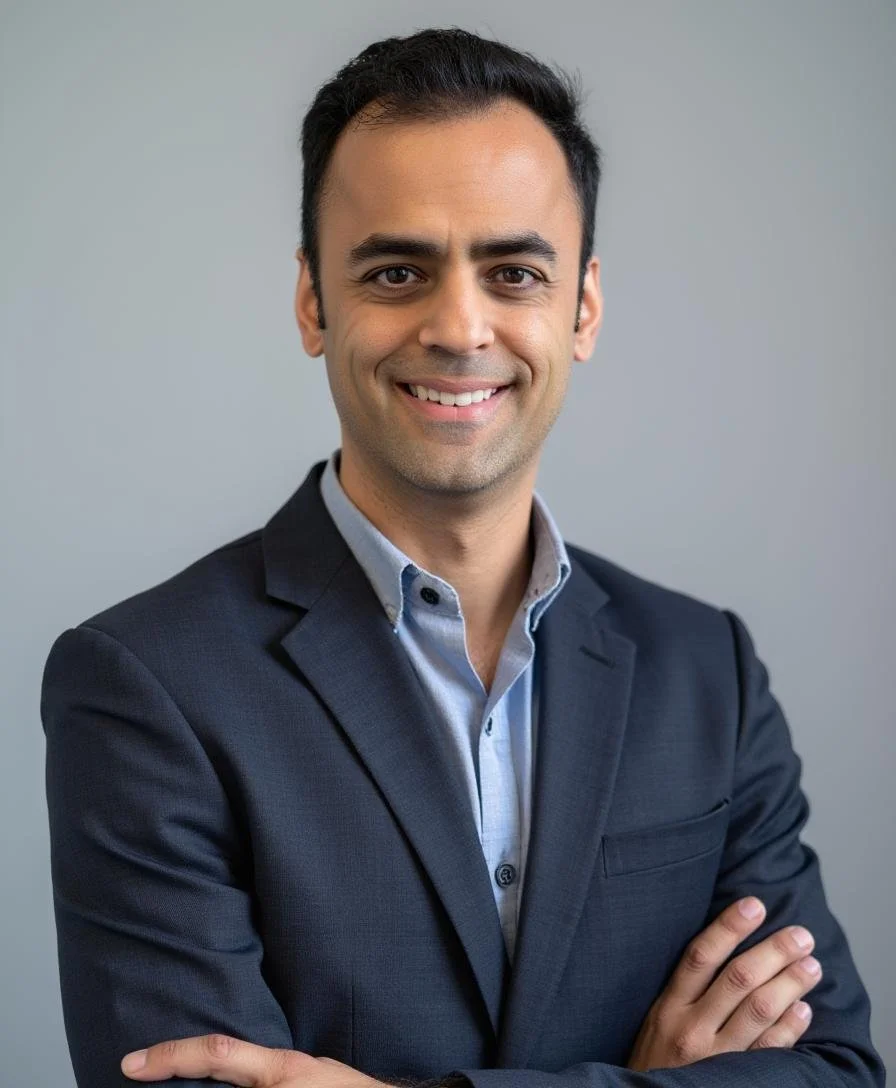
Why I became a therapist:
I became a therapist because I felt something important was missing in the world around me. So many people seemed emotionally disconnected from themselves, constantly distracted, burned out, or trying to become who they thought they were supposed to be instead of who they truly were. I watched people silence parts of themselves in order to fit in, keep up, or prove their worth, and somewhere along the way many lost touch with their voice, their joy, and their sense of meaning.
I didn’t want to live that way. I wanted a life rooted in depth, authenticity, and genuine human connection. Becoming a therapist became part of that path.
Today, one of the most meaningful parts of my work is witnessing people slowly come back to themselves.
Seeing a client finally exhale after years of carrying tension and emotional weight.
Watching someone begin to feel safe enough to stop performing, people-pleasing, or living in constant survival mode.
Seeing hope return to their eyes as they reconnect with their self-worth, their voice, and a steadier sense of inner peace.
And perhaps most importantly, witnessing people begin to meet themselves and others with compassion instead of judgment.
Outside the Therapy Room
When I’m not in session, I enjoy practicing some variation of Tai Chi, Meditation or Qigong on a regular basis in varied settings including indoors and outdoors.
I’m also almost always working on a new way to work with complex CPTSD and travel to New York often to help as a learning assistant.
License & Education
Licensed Clinical Social Worker (FL & NC)
MSW – Clinical Social Work, University of Southern California (2020)
BA – Interpersonal Communications
Advanced Training
EMDR Therapy
Forward-Facing Therapy
Somatic & Polyvagal Integration
Trauma-Informed Mind-Body Practices
Certified Clinical Trauma Professional
Sensorimotor Level 1
Research Behind My Therapy Approach
What Does The Science Say?
I’d welcome the opportunity to accompany you on your journey — so you can experience, in your own body, what a life of processed pain, restored regulation, and authentic selfhood truly feels like.
If you feel ready, I’d be honored to walk this path with you.